
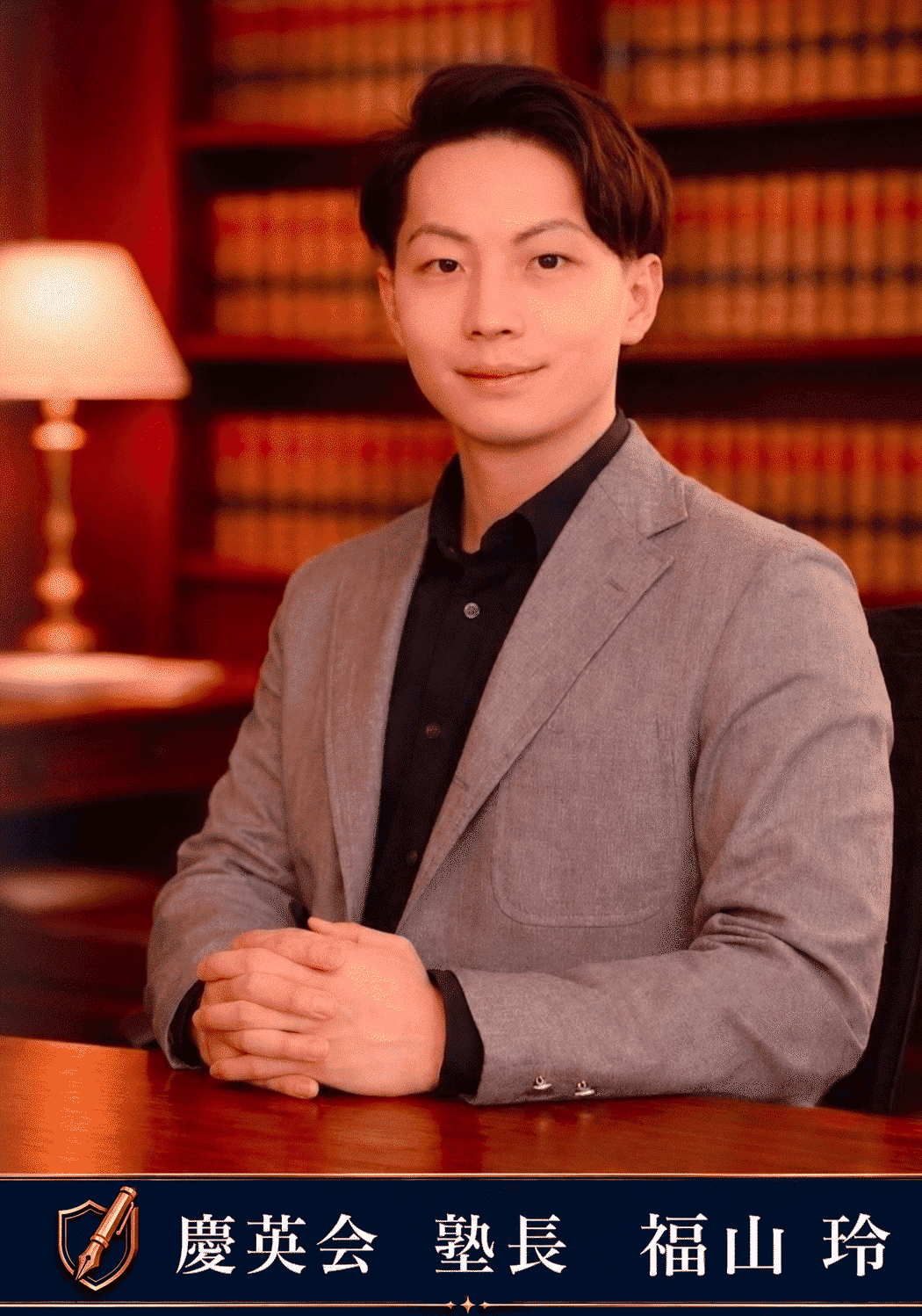

慶英会 塾長|慶應義塾大学卒・英検1級
中高一貫校の学校英語・NEW TREASURE・英検対策を専門とするオンライン個別指導塾です。塾長紹介
NEW TREASURE(ニュートレジャー)Stage3 Project 2「健康について考える」に関連する、慶英会独自の英語教材です。健康をテーマにする発表では、強い主張を繰り返すより、情報の出典、アンケートの分母、読み手が利用できる形式、プライバシーを明確にする方が説得力を高められます。WHOのヘルスリテラシーの考え方に基づく架空英文4題・32問・全解答を使い、根拠を確認しながら英語で考えを伝える練習をします。
Z会公式カタログではStage3 Project 2の題材を「健康について考える」と案内しています。本記事は慶英会の独立した補助教材で、出版社の課題や本文の転載ではありません。また、個人の医療上の診断・治療・予防接種や生活習慣の指示を行う記事ではありません。医療に関する個別の相談は、医療専門家と最新の公的情報をご確認ください。
結論|健康に関する英語発表は4つの確認で組み立てる
- Access:誰でも必要な情報へアクセスできるか。紙・デジタル、読みやすさ、案内の場所を確認する。
- Understand:専門用語や数字を読み手が理解できる説明にする。
- Appraise:筆者、更新日、出典、実際に測定された内容を見分ける。
- Use responsibly:個人に医療行動を指示せず、必要なときに適切な情報源や専門家へつなぐ。
WHOが2025年12月に更新したヘルスリテラシーの公式説明は、健康に関する情報を手に入れ、理解し、評価し、適切に使うための知識・能力と環境の重要性を扱っています。健康の問題を本人の努力だけに還元せず、わかりやすく利用しやすい情報環境を整える視点も重要です。
発表で使える、断定を避ける英語
| 英語表現 | 役割 | 注意 |
|---|---|---|
| The survey suggests … | 調査が示唆する | 証明とは異なる |
| We cannot conclude that … | 断定できない | データの限界を表す |
| According to … | 資料によれば | 出典の明記 |
| Some respondents preferred … | 一部の回答者が好んだ | everyoneへ一般化しない |
| It is important to check … | 確認が大切 | 形式主語の構文 |
| Please consult qualified professionals. | 資格ある専門家へ相談 | 個別の医療判断への配慮 |
慶英会の独自英文4題・全32問
全ての学校・人物・調査人数は学習用の架空設定です。資料1は健康情報の出典、資料2はアンケート数値、資料3は読み手へのアクセス、資料4は個人情報と説得的な発表を扱います。各8問を自力で解き、最後は英語40〜55語程度で主張と根拠をまとめてから模範解答を開いてください。
題材1|場面1|A Headline That Promised Too Much(Q1〜Q8)
[1] A student council at a fictional school wanted to prepare a short English poster about how to understand health information online. One student brought a screenshot whose headline promised that a simple daily habit could solve every health problem. The screenshot did not identify its author, publication date, or research source.
[2] The group did not repeat the claim. They first looked for an organization that explained how readers could find, understand, and evaluate health information. The students found a World Health Organization page about health literacy. They learned that understanding information involves checking meaning, reliability, and the situation in which it may be useful.
[3] The class decided not to offer medical advice. Its poster instead encouraged readers to ask who wrote a claim, when the source was updated, and whether qualified health professionals or authoritative organizations supported it. The students included a reminder that personal health questions should be discussed with appropriate professionals rather than answered by a school display.
[4] One student said this approach might sound less exciting than the original headline. Another replied that information could be helpful without promising certainty. The council kept its poster short and clear, with a link to the source and an explanation of what remained unknown.
Q1. 最初のスクリーンショットにはどんな問題があったか。
解答・健康情報の根拠・英文の注意点
解答:It made a universal health claim without identifying an author, date, or source.
解説:出典と根拠がない強い断定。
Q2. 『全ての健康問題を解決する』は確認済みの事実か。
解答・健康情報の根拠・英文の注意点
解答:No.
解説:根拠が示されていない。
Q3. WHOのヘルスリテラシーで重視される行動を一つ。
解答・健康情報の根拠・英文の注意点
解答:Finding, understanding, or appraising health information.
解説:情報のアクセス・理解・評価など。
Q4. 掲示物の主目的は医療診断か。
解答・健康情報の根拠・英文の注意点
解答:No. It teaches readers how to evaluate information.
解説:個人の医療判断を提供しない。
Q5. 確認を推奨した3つの情報は。
解答・健康情報の根拠・英文の注意点
解答:Author, update date, and credible supporting source.
解説:誰・いつ・根拠。
Q6. 個人の健康に関する相談先は。
解答・健康情報の根拠・英文の注意点
解答:Qualified healthcare professionals and current authoritative guidance.
解説:学校掲示の範囲を超える。
Q7. 生徒が強い見出しより重視したことは。
解答・健康情報の根拠・英文の注意点
解答:Accuracy and clarity.
解説:信頼できる伝達。
Q8. 英語40〜55語でポスターの目的をまとめる。
解答・健康情報の根拠・英文の注意点
解答:Our poster helps students check online health information. A dramatic headline is not enough evidence. Readers should identify the author, publication date, and trustworthy sources. We do not offer medical advice. For personal questions, people should consult qualified professionals and current official guidance.
解説:出典と個人医療の違いを保つ。
題材2|場面2|An Anonymous Survey with Two Formats(Q9〜Q16)
[1] A class wanted to learn how students preferred to receive general school wellbeing information. In an imaginary survey, thirty students chose between printed notices and digital notices. Eighteen preferred printed information, while twelve preferred digital information. Each respondent selected only one of the two formats.
[2] Some members said that printed notices were the only useful method because a majority had selected them. Others disagreed. The survey was small and measured preferences, not whether either format improved health or understanding. In addition, the class had not asked students whether they could access a device at home.
[3] The group calculated that sixty percent had preferred printed notices and forty percent had preferred digital notices. They presented both the counts and the percentages. The students then suggested that a school might consider providing both formats when practical, rather than declaring one format universally best.
[4] The students avoided collecting names or private medical information. They did not need those details to answer their question about preferred communication formats. Their final slide explained what the survey did and did not measure, and proposed a new question about which instructions were easiest to understand.
Q9. 架空の回答者数は。
解答・健康情報の根拠・英文の注意点
解答:Thirty students.
解説:30人。
Q10. 紙の案内を好む人数は。
解答・健康情報の根拠・英文の注意点
解答:Eighteen.
解説:18人。
Q11. デジタル案内を好む人数は。
解答・健康情報の根拠・英文の注意点
解答:Twelve.
解説:12人。
Q12. 紙を選んだ人の割合は。
解答・健康情報の根拠・英文の注意点
解答:Sixty percent.
解説:18÷30×100=60%。
Q13. デジタルを選んだ割合は。
解答・健康情報の根拠・英文の注意点
解答:Forty percent.
解説:12÷30×100=40%。
Q14. 健康改善を測定した調査か。
解答・健康情報の根拠・英文の注意点
解答:No. It measured preferences only.
解説:形式の好みと実際の効果は別。
Q15. 個人名や医療情報を収集したか。
解答・健康情報の根拠・英文の注意点
解答:No.
解説:調査目的に不要なので集めなかった。
Q16. 英語40〜55語で結果と限界をまとめる。
解答・健康情報の根拠・英文の注意点
解答:In an invented survey of thirty students, eighteen preferred printed wellbeing notices and twelve preferred digital notices. That is sixty percent and forty percent. The survey measured communication preferences, not health outcomes or actual understanding. The class suggested considering both formats and checking readability before making broader conclusions.
解説:架空・分母・割合・未測定を明確に。
題材3|場面3|A School Event with More Than One Way to Take Part(Q17〜Q24)
[1] Students at a fictional school prepared an information event about general wellbeing and everyday routines. At first, the organizers planned a single room where everyone would listen to the same long presentation. A student asked whether the room would be easy for all visitors to reach. Another wondered if people who preferred reading could receive the information in a written format.
[2] The organizers checked the route, seating, and signs. They decided to offer a short talk and a printed summary of the same information. They also made an online copy for visitors who preferred reading on a device. When an official source was quoted, the date and link were included so readers could examine it themselves.
[3] During a small trial, four volunteers followed the directions. Three reached the room without asking for assistance; one was unsure which entrance was open. The organizers revised the sign rather than claiming that the guide already worked for everyone. They also invited further feedback without asking anyone to explain a personal health condition.
[4] The event team concluded that access to information was not only about the accuracy of a message. Instructions also had to be understandable and practical for the audience. They planned to keep checking the route and the content when circumstances changed.
Q17. 最初の計画で提供する形式は。
解答・健康情報の根拠・英文の注意点
解答:One long presentation in a single room.
解説:一種類の方法しかなかった。
Q18. 生徒が提起したアクセス上の課題は。
解答・健康情報の根拠・英文の注意点
解答:Room accessibility and availability of written information.
解説:場所と情報形式。
Q19. 追加された二つの形式は。
解答・健康情報の根拠・英文の注意点
解答:A printed summary and an online copy.
解説:紙とデジタル。
Q20. 出典引用時に掲載した情報は。
解答・健康情報の根拠・英文の注意点
解答:The date and a link to the official source.
解説:資料を確認できるようにする。
Q21. 試行したボランティアは何人か。
解答・健康情報の根拠・英文の注意点
解答:Four.
解説:4人。
Q22. 案内を見て自力で着いた人数は。
解答・健康情報の根拠・英文の注意点
解答:Three.
解説:3人。
Q23. これで全来場者にとって完全と証明できたか。
解答・健康情報の根拠・英文の注意点
解答:No.
解説:4人の小規模な試行では一般化できない。
Q24. 英語40〜55語で改善を提案する。
解答・健康情報の根拠・英文の注意点
解答:School wellbeing information should be accurate and easy to access. Organizers can offer short talks, printed summaries, and online copies when practical. A small trial may show problems with directions, but it cannot prove that every visitor will succeed. We should keep checking both content and access.
解説:正確さ・アクセス・留保・次の行動。
題材4|場面4|Presenting a Claim Without Revealing Private Details(Q25〜Q32)
[1] A student named Yui prepared an English presentation about evaluating online wellbeing advice. She wanted to tell a dramatic story about a classmate’s private experience, hoping it would make the audience listen more carefully. Her teacher asked whether the classmate had agreed to public sharing. Yui realized that she had not asked.
[2] She decided not to use anyone’s personal story. Instead, she created a fictional example and clearly labeled it as such. She compared two general statements: one said that a single habit was guaranteed to improve everyone’s health; the other explained that people should evaluate the source and seek individual guidance when necessary. She asked the audience which statement was more careful and why.
[3] Yui’s final presentation used the words may, might, and cannot conclude. She explained that a survey about preferences should not be described as proof of medical benefit. She also distinguished information a school could reasonably give, such as where to find official guidance, from medical questions that required qualified professionals.
[4] At the end, Yui invited listeners to choose one online claim and examine its author, date, and evidence. She did not tell them to follow a particular treatment or to share private medical information. Her presentation was persuasive because it gave the audience a clear, responsible action.
Q25. 最初にYuiが使おうとしたものは。
解答・健康情報の根拠・英文の注意点
解答:A classmate’s private experience.
解説:個人の情報。
Q26. その利用が不適切だった理由は。
解答・健康情報の根拠・英文の注意点
解答:She had not obtained permission to share it.
解説:本人の同意なしに公開しない。
Q27. 代わりに使ったものは。
解答・健康情報の根拠・英文の注意点
解答:A clearly labeled fictional example.
解説:創作例だと明示。
Q28. 慎重な表現として使った助動詞は。
解答・健康情報の根拠・英文の注意点
解答:May and might.
解説:確実性の程度を限定。
Q29. 嗜好のアンケートが証明しないものは。
解答・健康情報の根拠・英文の注意点
解答:A medical benefit.
解説:好みと医学的な効果を区別。
Q30. 学校が案内できるものの一例は。
解答・健康情報の根拠・英文の注意点
解答:Where to find current official information.
解説:信頼できる資料へのアクセス。
Q31. 発表最後の行動の呼びかけは。
解答・健康情報の根拠・英文の注意点
解答:Check an online claim’s author, date, and evidence.
解説:確認の具体的な手順。
Q32. 英語40〜55語で責任ある発表の条件を書く。
解答・健康情報の根拠・英文の注意点
解答:A responsible presentation should protect people’s privacy and distinguish fictional examples from real evidence. Health-related claims need trustworthy sources and careful language. Students can explain how to check the author, date, and evidence, but should not offer personal medical advice or share someone else’s private details.
解説:プライバシー・根拠・限界・行動。
Project発表に向けた4観点の自己評価
| 観点 | 確認項目 | 危険な誤り |
|---|---|---|
| 出典 | 著者・日付・信頼できる資料 | スクリーンショットを無条件に信じる |
| 数字 | 回答人数・割合・測定項目 | 好みの調査を健康効果とする |
| 配慮 | 情報形式・必要なアクセス | 全員が同じ環境だと仮定 |
| プライバシー | 個人の同意と共有範囲 | 他人の個人的な経験を無断公開 |
14日間の学習・発表ルート
- 1〜2日目:題材1の健康情報の著者・日付・根拠を整理する。
- 3〜4日目:題材2の18/30=60%、12/30=40%を計算し、好みと健康効果を区別する。
- 5〜6日目:題材3の紙・オンライン・ルート情報を比較する。
- 7〜8日目:題材4で架空の例と他者の個人情報を分けて扱う。
- 9〜10日目:自分が調べる題材を一つ選び、WHO等の公的情報を確認する。
- 11〜12日目:Claim・Evidence・Limit・Actionの順に短い英文を書く。
- 13日目:他人の情報を含んでいないか確認し、発表を音読する。
- 14日目:出典が分かる形で発表し、質問された範囲だけ正確に答える。
よくある質問
Q. 健康の話題では断定的に答えた方が良いですか? 根拠が十分でない内容を断定するべきではありません。what is knownとwhat is not knownを分けることが大切です。
Q. 友達の健康上の経験を本人に無断で発表してよいですか? いいえ。プライバシーに配慮し、同意を確認し、不要な情報は集めない・公開しないようにしましょう。
Q. 実際の健康についての具体的な判断ができますか? このページは教育用の英語教材です。個人の診断や治療、接種等についての判断に用いず、専門家へ相談してください。
Q. Z会のProject2そのものの解答ですか? いいえ。慶英会が独自に制作した英語長文・課題32問です。
関連する無料教材
慶英会の学習相談・最大1か月完全無料体験
健康を扱うProjectで重要なのは、英語の文法・数字・根拠を正確に扱い、聞き手へ伝わるように整理することです。慶英会は慶應義塾大学卒・英検1級の塾長の指導方針のもと、NEW TREASUREと中高一貫校の定期テスト・英検をオンラインで個別指導します。学校のStage・Project条件と苦手なQ番号を添え、最大1か月完全無料体験・学習相談へお問い合わせください。
慶英会の次の無料教材:健康情報の発表後、データ・根拠・限界を説明する練習には、Projectの質疑応答40問を活用できます。学校のStage・Project条件に合わせ、モデル回答を隠して復習してください。
参考にした主な公式情報
公式情報確認日:2026年10月26日。本記事の英文4題・架空調査・独自32問・模範回答は慶英会の教育用創作です。実際の医療上の効果・個人の健康状態・学校の実績を示すものではありません。
最大1か月完全無料体験・学習相談受付中
最大1か月の完全無料体験をご案内
学校教材・学力・目標に合わせた個別指導
入塾前に授業の進め方や講師との相性をお確かめください。
学校英語・定期テスト・英検の学習相談にも対応します。
保護者様の教育相談も無料で承ります。
1.学年 2. 学習目標 3.体験ご希望をお送りください。
体験の期間・回数・担当講師・日程は、ご希望と受付状況を確認してご案内します。
慶英会 塾長|慶應義塾大学卒・英検1級。中高一貫校の学校英語・NEW TREASURE・英検対策を専門としています。塾長の経歴・指導方針を確認する