
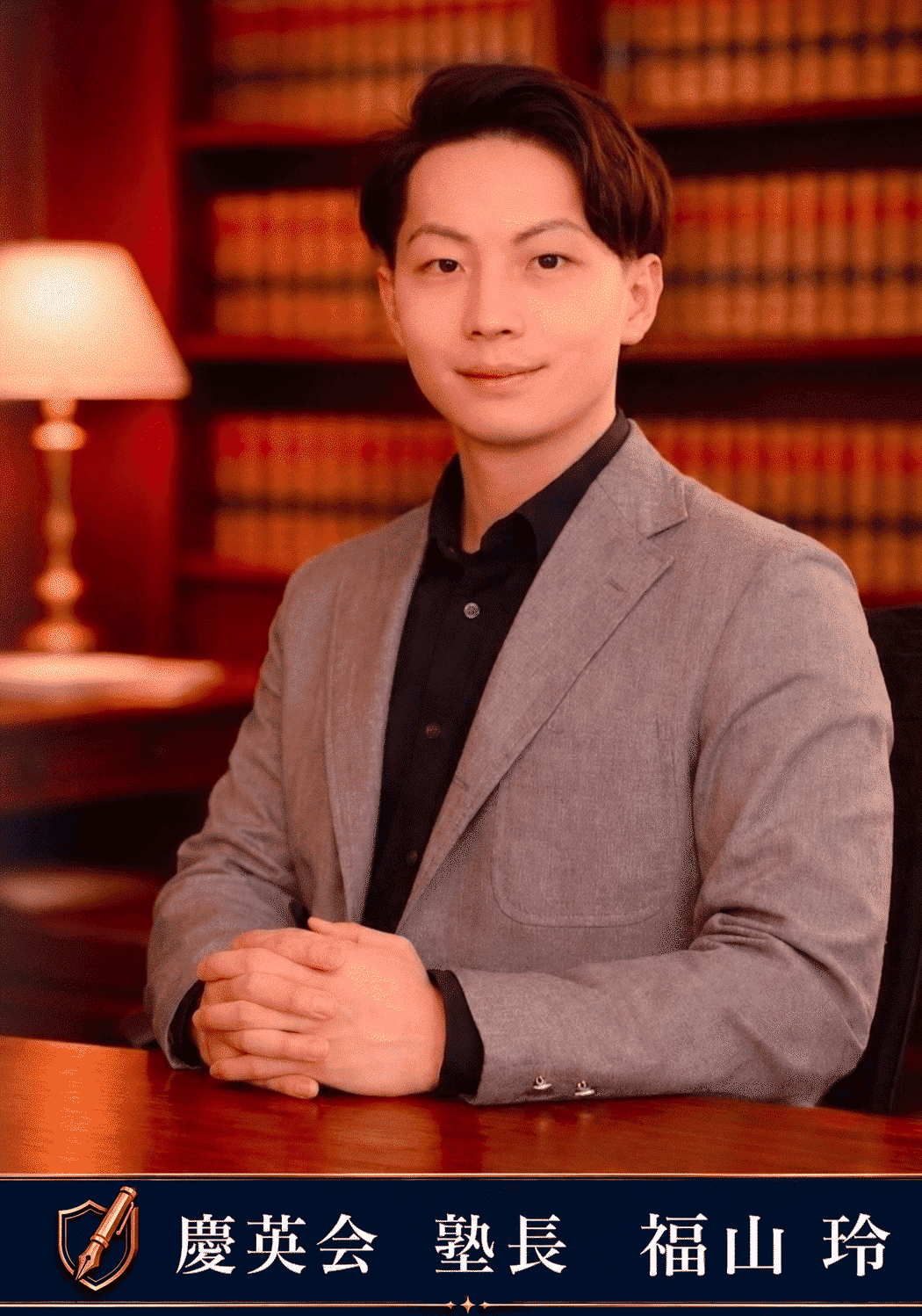

慶英会 塾長|慶應義塾大学卒・英検1級
中高一貫校の学校英語・NEW TREASURE・英検対策を専門とするオンライン個別指導塾です。塾長紹介
英検準1級の経済・ビジネス長文では、売上・費用などの単語だけでなく、顧客・従業員・経営者の利害を区別することが重要です。慶英会ではサブスクリプションの価格表示、週4日勤務の試行、大学生の職業訓練を題材に独自長文3篇・4択15問・言い換え9問を無料公開します。すべて段落別の日本語訳、ビジネス語彙、本文根拠と誤答理由付きです。
日本英語検定協会の準1級公式試験内容において、長文は説明文・評論文などが用いられ、ビジネスも題材に含まれます。ここに出てくる会社・地域・調査は慶英会が学習のために作った架空設定であり、実在の企業の実績や英検協会の公式問題ではありません。
経済・ビジネス長文を読むための5原則
- 利害関係者を分ける:事業者、顧客、従業員、学生の誰にとっての利点・負担なのかを確認。
- 売上と成果を区別:契約数の増加だけで情報の分かりやすさを証明できないことがある。
- 他要因を確認:繁忙期・割引・担当者の負担など、結果に影響する可能性がある。
- 試行と恒久導入の違い:trial、pilot、evaluateは正式な全体導入を意味しない。
- 断定を避ける:could、may、not necessarily、someなどの限定を解答でも残す。
使い方|各長文5問、根拠と誤選択肢を比較
各長文3段落と4択5問を初見で解きます。答え合わせ後、正答の英文根拠だけでなく、誤答に含まれる『全員・必ず・既に導入・別の人の意見』などのすり替えを見つけます。和訳は答え合わせ後に使用し、最後に9つの応用文を訳して因果関係・限定の精度を確認しましょう。
独自長文1|サブスクリプション料金の分かりやすさ(約240語)
英文 第1段落
In the fictional city of Brookmere, several small businesses began offering subscription services for products that customers previously bought one at a time. The owners hoped that regular payments would help them predict demand and reduce the cost of managing inventory. Some customers liked receiving goods automatically, but others found it difficult to compare subscription fees with ordinary purchases. A low monthly price could appear attractive even when the total annual cost was higher than expected.
英文 第2段落
A group of shop owners proposed clearer price labels showing the amount customers would pay over a full year. They also suggested explaining cancellation procedures before a person subscribed. Supporters argued that transparent information might encourage customers to choose plans that matched their actual needs. Critics worried that additional explanations would make advertisements less simple and require smaller businesses to update their websites more often. However, critics did not necessarily oppose transparency itself; their concern was how much work the changes would involve.
英文 第3段落
The businesses decided to test the new labels on a limited number of services. They planned to record customer questions, cancellation requests, and the time employees spent handling inquiries. The results would be compared with information collected before the trial. Owners emphasized that more subscriptions would not automatically prove the labels were better, since seasonal changes and promotional offers could also influence sales. The purpose of the trial was to determine whether clearer information improved customers’ ability to make informed choices.
Q1. Why did some businesses adopt subscriptions?
- A. To prevent customers from seeing prices.
- B. To help predict demand and manage inventory.
- C. To eliminate every customer inquiry.
- D. To remove all one-time purchases by law.
Q2. What problem did some customers face?
- A. Subscriptions were always more expensive.
- B. Every business used the same payment plan.
- C. Comparing monthly charges with total spending was difficult.
- D. Customers were forbidden from canceling.
Q3. What were some critics primarily concerned about?
- A. Extra administrative work and less simple advertising.
- B. The historical origins of subscription services.
- C. A lack of products in every shop.
- D. New labels being illegal.
Q4. Why were owners cautious about interpreting sales figures?
- A. The trial had been canceled.
- B. No customer was allowed to subscribe.
- C. Prices were already identical.
- D. Seasonal changes and offers could influence subscriptions.
Q5. What was the main goal of the trial?
- A. To force every customer to choose the same plan.
- B. To test whether clearer information improved informed choices.
- C. To eliminate the need for cancellation procedures.
- D. To compare shop architecture.
長文1|段落別の内容と和訳
第1段落:架空のBrookmere市の小規模事業者が定期購入サービスを始めた。定期収入で需要予測や在庫管理を改善したい一方、消費者には月額料金と通常購入の比較が難しい場合がある。低い月額料金でも年間の支払額が想像以上になる可能性がある。
第2段落:店主たちは年間費用と解約方法を分かりやすく示す案を出した。賛成側は適切なプランを選びやすくなると考えるが、懸念する側は説明追加による広告の複雑化やサイト更新費用を心配する。透明性そのものに反対しているとは限らない。
第3段落:限られたサービスで新しい表示を試し、質問・解約依頼・対応時間を以前と比較することにした。契約数が増えても季節性や販促の影響があり得るため、新表示の効果と断定はできない。利用者が情報を得て選べるようになるかを検証する。
長文1|重要語彙
- inventory:在庫
- subscription fee:定期契約料
- transparent:透明性のある
- cancellation procedure:解約手続き
- promotional offer:販売促進の特典
長文1|全5問の解答・根拠と誤答理由
Q1 正解B:To help predict demand and manage inventory.。本文根拠:“predict demand and reduce the cost of managing inventory”。解説:事業者側の需要予測・在庫管理の目的。
Q2 正解C:Comparing monthly charges with total spending was difficult.。本文根拠:“difficult to compare subscription fees … total annual cost”。解説:月額と総支払額を比較しにくい。必ず高いとは述べていない。
Q3 正解A:Extra administrative work and less simple advertising.。本文根拠:“advertisements less simple … update their websites more often”。解説:追加説明に伴う負担。透明性全体を否定したとは書かれていない。
Q4 正解D:Seasonal changes and offers could influence subscriptions.。本文根拠:“seasonal changes and promotional offers could also influence sales”。解説:契約数の増減には他要因がある。
Q5 正解B:To test whether clearer information improved informed choices.。本文根拠:“improved customers’ ability to make informed choices”。解説:消費者の意思決定改善が目標。
長文1|追加の言い換え3問
応用1:a low monthly price could appear attractive
応用2:did not necessarily oppose transparency itself
応用3:would not automatically prove
長文1|言い換えの解答
応用1:低い月額料金が魅力的に見える可能性。
応用2:透明性そのものには必ずしも反対していない。
応用3:自動的に証明するわけではない。
独自長文2|週4日勤務の試行と成果測定(約225語)
英文 第1段落
A fictional design company decided to test a four-day working week without reducing its full-time employees’ salaries. Managers hoped that a shorter schedule would give workers more time to rest and might improve their concentration. Yet the company still needed to respond to customers throughout the week. It therefore arranged rotating days off rather than closing the office on the same day for everyone.
英文 第2段落
During the trial, some employees reported feeling less tired, and several teams completed assignments within their usual deadlines. Supporters saw these reports as encouraging. However, the project leader warned that completing tasks on time was only one measure of performance. The quality of the work, the number of unexpected requests, and the workload of employees who covered absent colleagues also mattered. A busy season could produce different results from a quiet one.
英文 第3段落
After the first month, managers resisted pressure to announce that the new schedule had been a complete success. They planned to collect feedback over a longer period and compare workloads across teams. They also considered whether staff had simply worked longer hours on the four days they were present. The company did not reject the idea, but it wanted evidence that benefits could continue without shifting hidden costs onto other workers or customers. The case illustrated the difference between an attractive policy and a policy shown to be sustainable.
Q6. Why did managers introduce rotating days off?
- A. Customers still needed service throughout the week.
- B. The company wanted to close permanently on Fridays.
- C. All employees had identical duties.
- D. Salaries had been reduced.
Q7. What did some employees report?
- A. Every deadline had been missed.
- B. Product quality was proven to have doubled.
- C. They felt less tired during the trial.
- D. The company had stopped accepting work.
Q8. Why was finishing assignments on time insufficient as proof of success?
- A. All assignments were identical.
- B. No one had recorded deadlines.
- C. The trial lasted for many years.
- D. Quality and the distribution of workload also mattered.
Q9. What possibility did managers consider about the four working days?
- A. Employees might work longer hours on those days.
- B. Nobody had any work.
- C. Clients had stopped calling.
- D. Every task became simpler.
Q10. What approach did the company ultimately favor?
- A. Rejecting the experiment without further analysis.
- B. Testing long-term sustainability before drawing firm conclusions.
- C. Announcing universal success after one month.
- D. Reducing salaries to cover costs immediately.
長文2|段落別の内容と和訳
第1段落:架空のデザイン会社が、正社員の給与を減らさず週4日勤務を試した。休息・集中力の改善を期待したが、顧客対応は週を通して必要なので、全員一斉休業ではなく休む曜日を交代することにした。
第2段落:一部の従業員は疲れが減ったと感じ、複数チームが期限どおりに業務を終えた。しかし納期を守ることだけが成果ではない。品質、突発的な依頼、休みの人の仕事を引き受けた人の負担、繁忙期と閑散期の違いも考える必要がある。
第3段落:1か月の結果だけで全面成功と発表せず、長期間の意見・業務量を比較する。勤務する4日間が単に長時間化していないかも確認した。会社は新制度を否定せず、隠れた負担を他の従業員・顧客へ転嫁せず持続できるかを検証する姿勢を取った。
長文2|重要語彙
- rotating days off:交代制の休日
- concentration:集中力
- workload:業務量
- sustainable:持続可能な
- hidden costs:見えにくい負担・費用
長文2|全5問の解答・根拠と誤答理由
Q6 正解A:Customers still needed service throughout the week.。本文根拠:“needed to respond to customers throughout the week … rotating days off”。解説:顧客対応を維持するための交代制。
Q7 正解C:They felt less tired during the trial.。本文根拠:“some employees reported feeling less tired”。解説:一部の主観的な疲労感の改善を報告。
Q8 正解D:Quality and the distribution of workload also mattered.。本文根拠:“quality … unexpected requests … workload … also mattered”。解説:納期以外の指標も必要。
Q9 正解A:Employees might work longer hours on those days.。本文根拠:“simply worked longer hours on the four days”。解説:4日への圧縮で労働時間が長くなった可能性。
Q10 正解B:Testing long-term sustainability before drawing firm conclusions.。本文根拠:“wanted evidence that benefits could continue without shifting hidden costs”。解説:長期的な持続性・負担配分を評価。
長文2|追加の言い換え3問
応用4:some employees reported feeling less tired
応用5:not … only one measure of performance
応用6:without shifting hidden costs onto other workers
長文2|言い換えの解答
応用4:疲労が少なくなったと報告した従業員もいた。
応用5:成果を測るのはその一指標だけではない。
応用6:他の労働者へ隠れた負担を移さずに。
独自長文3|職業訓練と実習先の選び方(約223語)
英文 第1段落
An imaginary regional college wanted to make its career-training program available to more students. The college arranged short apprenticeships with local companies, where participants could observe everyday work and learn practical skills. Several businesses welcomed the idea because they needed future employees with experience. However, some students could not afford the cost of traveling to workplaces far from their homes, while others were concerned about balancing training with regular classes.
英文 第2段落
To make access fairer, the college proposed small travel allowances and flexible schedules. Organizers also asked companies to name a mentor responsible for explaining tasks and checking progress. Supporters believed these steps could help students learn rather than simply perform routine work. Still, employers warned that supervision required staff time, particularly in small firms. A program could look inexpensive on paper while demanding considerable effort from people already working under pressure.
英文 第3段落
The college decided to start with a limited number of placements and examine students’ experiences after each period. It would track not only participation but also what skills had been learned and whether students felt able to ask questions safely. Staff emphasized that a placement lasting several weeks could introduce students to an occupation without proving that it was right for every participant. Their broader goal was to make informed career choices possible, not to push all students toward the same job.
Q11. What prevented some students from participating easily?
- A. High transport costs and conflicts with classes.
- B. A lack of any interested businesses.
- C. The absence of all career choices.
- D. A rule requiring everyone to move abroad.
Q12. Why did the college ask companies to appoint mentors?
- A. To remove all responsibility from students.
- B. To reduce every worker’s working hours.
- C. To help ensure participants actually learned skills.
- D. To guarantee full-time employment immediately.
Q13. What concern did small firms express?
- A. Students were never willing to work.
- B. Training required time from existing staff.
- C. All placements were legally forbidden.
- D. Travel costs could never be reimbursed.
Q14. What outcomes would the college examine?
- A. Only the total number of applications.
- B. Only salaries after retirement.
- C. Only the length of train journeys.
- D. Participation, skills learned, and students’ ability to ask questions.
Q15. Which conclusion best captures the college’s aim?
- A. Helping students make informed career choices without promising one best occupation for all.
- B. Requiring every student to accept the same job.
- C. Replacing academic classes entirely with work.
- D. Choosing placements without student feedback.
長文3|段落別の内容と和訳
第1段落:架空の地方大学が地元企業と短期職業実習を組み、仕事を見学し技能を学ぶ機会を増やそうとした。企業は経験者の採用につながることを期待したが、通勤費が負担になる学生や、授業との両立を心配する学生もいた。
第2段落:大学は交通費の一部補助と柔軟な日程を提案し、企業には指導担当者を配置するよう求めた。単なる雑務でなく学習機会にするためだが、小規模企業では指導時間が大きな負担となる可能性がある。見た目の費用が低くても人員の負担は存在する。
第3段落:少数の実習先から始め、参加人数だけでなく学んだ技能や安全に質問できる環境も評価する。数週間の実習は職種の理解に役立つ一方、全員に適職だと証明するものではない。最終目標は同じ仕事へ誘導することではなく、情報に基づく進路選択を可能にすることだ。
長文3|重要語彙
- apprenticeship:実務実習・見習い期間
- travel allowance:交通費補助
- mentor:指導担当者
- placement:実習先・配置
- informed choice:情報を踏まえた選択
長文3|全5問の解答・根拠と誤答理由
Q11 正解A:High transport costs and conflicts with classes.。本文根拠:“cost of traveling … balancing training with regular classes”。解説:交通費と授業の両立が障害。
Q12 正解C:To help ensure participants actually learned skills.。本文根拠:“mentor responsible for explaining tasks and checking progress”。解説:学びを支えるための監督。雇用保証ではない。
Q13 正解B:Training required time from existing staff.。本文根拠:“supervision required staff time … in small firms”。解説:指導者の人件費・時間負担。
Q14 正解D:Participation, skills learned, and students’ ability to ask questions.。本文根拠:“not only participation but also what skills had been learned … ask questions safely”。解説:参加者数以外の実質的な学習成果も評価。
Q15 正解A:Helping students make informed career choices without promising one best occupation for all.。本文根拠:“make informed career choices possible, not … same job”。解説:本人が進路選択できる情報と経験の提供。
長文3|追加の言い換え3問
応用7:could look inexpensive on paper
応用8:not only participation but also what skills had been learned
応用9:without proving that it was right for every participant
長文3|言い換えの解答
応用7:書類上は安く見える可能性がある。
応用8:参加者数だけでなく習得技能も。
応用9:全参加者に適切と証明するわけではない。
3長文の共通する判断方法
- サブスクリプション:月額の安さだけでなく、年間の総額・解約方法・選択のしやすさを評価する。
- 週4日勤務:期限どおりに終えるだけでなく、品質・勤務時間・仕事の偏り・繁閑差を比較する。
- 職業訓練:参加人数だけでなく、実際に習得した技能や公平な参加機会を評価する。
7日間の復習方法
- 1日目:3篇の4択15問を解いて根拠を記録する。
- 2日目:第1長文の顧客と経営者の目的の違いを説明する。
- 3日目:第2長文の労働時間と成果評価の違いを説明する。
- 4日目:第3長文の学生と小企業の立場を整理する。
- 5日目:言い換え9問の英語を日本語に訳す。
- 6日目:各長文を3文程度の簡単な英語でまとめる。
- 7日目:英検協会の公式過去問で別の社会的な話題を読む。
よくある質問
英検準1級の経済長文には専門的な経済学の知識が必要ですか?
背景知識が役立つ場合はありますが、本文の主張と根拠を優先します。知らない専門語があっても、本文中の説明や前後の因果から意味を推測できることがあります。
この3長文は実在する会社や大学の成功事例ですか?
いいえ。すべて慶英会のオリジナルな架空設定です。実際の企業の売上、実験結果、学習実績などとして引用しないでください。
4択15問の得点から英検CSEスコアを推定できますか?
できません。英検協会が公表する準1級の長文内容一致は7問で、この教材は独自3長文・15問です。本番の正答率やCSEスコアと直接換算できません。
経済分野の英文要約につなげるにはどうすればよいですか?
各段落で『背景→賛成側の利点→懸念・条件→次の対応』のように主張の役割を確認します。具体例をすべて列挙せず、中心的な利害と限定を残して簡潔にまとめる練習につなげられます。
他分野の無料教材と慶英会への学習相談
歴史・文化の独自長文3題15問/科学・医療の独自長文3題15問/英文要約の4観点・独自添削24例/準1級の無料教材一覧。
慶英会では、慶應義塾大学卒・英検1級の塾長のもと、中高一貫校の英語と英検準1級の読解・要約・英作文を個別に支援しています。最大1か月完全無料体験・学習相談はこちら。
参考にした主な公式情報
公式資料確認:2026年10月28日。3長文の企業・大学・価格・働き方・実習の記述は独自の架空設定であり、英文3篇、4択15問、言い換え9問と全解答・和訳は慶英会のオリジナル教材です。
最大1か月完全無料体験・学習相談受付中
最大1か月の完全無料体験をご案内
学校教材・学力・目標に合わせた個別指導
入塾前に授業の進め方や講師との相性をお確かめください。
学校英語・定期テスト・英検の学習相談にも対応します。
保護者様の教育相談も無料で承ります。
1.学年 2. 学習目標 3.体験ご希望をお送りください。
体験の期間・回数・担当講師・日程は、ご希望と受付状況を確認してご案内します。
慶英会 塾長|慶應義塾大学卒・英検1級。中高一貫校の学校英語・NEW TREASURE・英検対策を専門としています。塾長の経歴・指導方針を確認する