
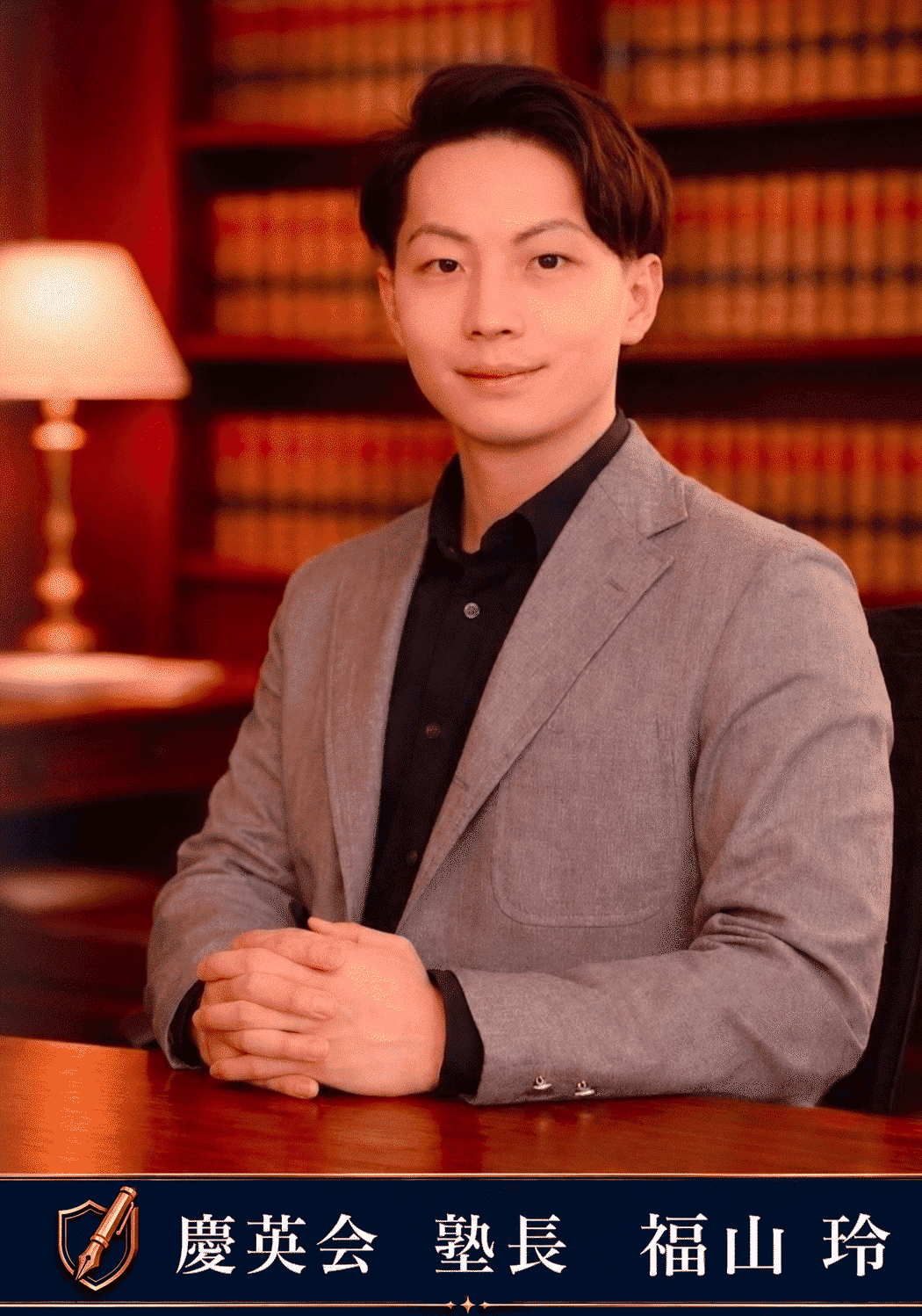

慶英会 塾長|慶應義塾大学卒・英検1級
中高一貫校の学校英語・NEW TREASURE・英検対策を専門とするオンライン個別指導塾です。塾長紹介
結論|長文の空欄は「前後の文の関係」を先に判定する
英検準2級の長文空所補充でhowever・therefore・instead・for exampleなどが並んだら、語の日本語訳を丸暗記して選ぶのではなく、空欄の前と後が「逆接・結果・代替・例示・追加・時間順」のどの関係かを判断しましょう。例えば「雨が降った。だから中止した」は結果、「雨が降った。それでも実施した」は逆接です。同じ雨という単語が出ても、適切な接続表現は変わります。
日本英語検定協会の準2級試験内容では、リーディングの長文語句空所補充は2問と示されています。ここで扱うのは、実際の過去問を転載したものではなく、慶英会が独自作成した10英文×2問=20問と追加診断10問、合計30問です。文章の長さ・難易度や選択肢は本試験と同一とは限りません。
6つの論理関係を先に見分ける
- 逆接・譲歩:However, / Nevertheless, / Even so, =「しかし」「それでも」
- 結果:Therefore, / As a result, =「それゆえ」「その結果」
- 代替:Instead, =「その代わりに」
- 例示:For example, / For instance, =「例えば」
- 追加・同時:In addition, =「さらに」、Meanwhile, =「その間に/一方で」
- 言い換え・順序:In other words, =「言い換えると」、First, / Finally, / Eventually, =時間や手順の流れ
重要な文法上の区別:Althoughは「Although it was raining, …」のように節を導く接続詞です。一方、However, は「It was raining. However, …」のように前後の文をつなぐ接続副詞として用いられます。語義が近くてもそのまま交換できないため、句読点と英文構造も必ず確認します。
解き方|空欄の前後に3つの質問をする
- 前文の出来事・状態は何か。主語と動詞を押さえる。
- 後文は逆のことを述べるのか、前文からの結果なのか、具体例なのか、別案なのかを仮に決める。
- 選択肢の意味と文法を一つずつ照らす。選んだ語を入れ、文章全体が自然につながるか音読して確かめる。
読む際は接続表現の直後ばかりでなく、直前のnot・but・because・only・at first・finallyなどの手掛かりも見ます。正解した問題も「他の3つが違う理由」を言えることを目標にしてください。
独自長文10本・20問|最初は解答を見ずに解こう
英文1|学校の菜園と代替案(問1・2)
本文:Our class had planned to plant vegetables in the schoolyard. The ground was covered with stones, so digging was difficult. [1] we planted the vegetables in large containers near the windows. We grew several kinds of food. [2] we grew tomatoes, lettuce, and small carrots. At the end of the term, we shared them with the cooking club.
問1:本文の[1]に最も自然に入るものを選びなさい。
A. Instead, / B. For example, / C. Meanwhile, / D. Similarly,
問2:本文の[2]に最も自然に入るものを選びなさい。
A. However, / B. For example, / C. Therefore, / D. Otherwise,
和訳:私たちは校庭に野菜を植える予定でしたが、地面に石が多く、掘るのは大変でした。そこで代わりに窓の近くの大きな容器で育てました。トマト、レタス、小さなニンジンなどを育て、学期末に料理部と分け合いました。
英文2|図書館の開館時間(問3・4)
本文:The town library used to close at five. Many students wanted to study there after sports practice. [1] the library decided to stay open until seven twice a week. Staff members hoped more teenagers would visit. [2] only a few students knew about the new hours at first, so the library put notices at schools.
問3:本文の[1]に最も自然に入るものを選びなさい。
A. Nevertheless, / B. Therefore, / C. For example, / D. Meanwhile,
問4:本文の[2]に最も自然に入るものを選びなさい。
A. Similarly, / B. In addition, / C. However, / D. As a result,
和訳:町の図書館は以前5時に閉まっていました。部活動後にも勉強したい生徒が多かったため、週2回は7時まで開けることになりました。しかし当初は新しい時間を知る生徒が少なく、学校にお知らせが出されました。
英文3|雨による校外学習の変更(問5・6)
本文:Our class was going to visit an outdoor history park. The forecast said heavy rain was likely. [1] the teacher suggested visiting a museum. The students first felt disappointed, but the museum had a special exhibition on local history. [2] they learned about the same period they had planned to study at the park.
問5:本文の[1]に最も自然に入るものを選びなさい。
A. For instance, / B. Likewise, / C. Instead, / D. Meanwhile,
問6:本文の[2]に最も自然に入るものを選びなさい。
A. In this way, / B. On the other hand, / C. Otherwise, / D. Before that,
和訳:クラスは屋外の歴史公園へ行く予定でした。大雨の予報を受け、先生は代わりに博物館を提案しました。最初は残念でしたが、地元の歴史の特別展示があり、その結果、公園で学ぶ予定だった時代について学べました。
英文4|冬の鳥と学校の庭(問7・8)
本文:Many small birds visit our school in winter. Some students place food outside. [1] they make sure there is clean water near the trees. Cold weather can make it hard for birds to find both food and water. The students check the area every day. [2] the school garden provides both food and water for the birds.
問7:本文の[1]に最も自然に入るものを選びなさい。
A. However, / B. Instead, / C. In addition, / D. Otherwise,
問8:本文の[2]に最も自然に入るものを選びなさい。
A. As a result, / B. On the contrary, / C. For instance, / D. At first,
和訳:冬になると小鳥が学校に来ます。生徒は餌を置くだけでなく、木のそばにきれいな水も用意します。寒い時季は餌と水を見つけにくいため、毎日確認します。その結果、学校の庭ではどちらも得られます。
英文5|料理部の手順(問9・10)
本文:We made vegetable soup in our cooking lesson. [1] we washed the vegetables carefully. Next, we cut them into small pieces. We cooked them slowly with water and salt. [2] we tasted the soup and wrote down what we would change next time.
問9:本文の[1]に最も自然に入るものを選びなさい。
A. Finally, / B. First, / C. However, / D. Meanwhile,
問10:本文の[2]に最も自然に入るものを選びなさい。
A. In contrast, / B. Similarly, / C. For example, / D. Finally,
和訳:料理の授業で野菜スープを作りました。最初に野菜をよく洗い、次に小さく切り、水と塩で煮ました。最後に味見して、次回変えたい点を記録しました。
英文6|楽器未経験者の挑戦(問11・12)
本文:Mika wanted to join the school orchestra. She had never played an instrument, and she was worried about making mistakes. [1] she decided to visit a practice session. The older students welcomed her and explained the basic rules. [2] she chose to take beginner lessons and join the club.
問11:本文の[1]に最も自然に入るものを選びなさい。
A. Nevertheless, / B. For example, / C. As a result, / D. Meanwhile,
問12:本文の[2]に最も自然に入るものを選びなさい。
A. At first, / B. Meanwhile, / C. Eventually, / D. For instance,
和訳:ミカは学校のオーケストラ部に入りたかったものの、楽器未経験で失敗が心配でした。それでも練習の見学を決め、先輩たちが歓迎してくれました。最終的に初心者向けレッスンを受けて入部することにしました。
英文7|資源回収のルール(問13・14)
本文:Our town collects used plastic bottles. The bottles must be empty and clean. [1] people should remove the caps before putting bottles in the collection box. Some residents did not know these rules. [2] the town published pictures showing each step.
問13:本文の[1]に最も自然に入るものを選びなさい。
A. Instead, / B. In addition, / C. However, / D. For example,
問14:本文の[2]に最も自然に入るものを選びなさい。
A. Nevertheless, / B. Meanwhile, / C. Therefore, / D. Similarly,
和訳:町では使用済みペットボトルを回収しています。空で清潔にするほか、キャップを外す必要があります。しかしルールを知らない住民もいたため、町は手順を絵で示しました。
英文8|紙の本と電子書籍(問15・16)
本文:Ken likes reading stories on paper because he can write notes in the margins. His sister prefers e-books because she can carry many books on her phone. [1] both enjoy talking about what they read. They meet every Sunday to share their favorite scenes. [2] their different reading habits have not stopped them from enjoying books together.
問15:本文の[1]に最も自然に入るものを選びなさい。
A. As a result, / B. For instance, / C. Instead, / D. However,
問16:本文の[2]に最も自然に入るものを選びなさい。
A. In other words, / B. At first, / C. Meanwhile, / D. For example,
和訳:ケンは紙の本に書き込みができる点が好きで、ケンの姉は多くの本を持ち歩ける電子書籍を好みます。それでも二人は感想を話すことが好きで、毎週日曜にお気に入りの場面を共有しています。つまり読む方法が違っても読書を一緒に楽しめています。
英文9|氷が溶ける実験(問17・18)
本文:Two teams tested how quickly ice melted. One team put ice in sunlight. [1] the other team left the same amount of ice in the shade. They used the same kind of container. After thirty minutes, the ice in the sunlight had melted more. [2] the students concluded that direct sunlight had affected the melting speed.
問17:本文の[1]に最も自然に入るものを選びなさい。
A. Therefore, / B. For example, / C. Meanwhile, / D. Instead,
問18:本文の[2]に最も自然に入るものを選びなさい。
A. Therefore, / B. Nevertheless, / C. For example, / D. At first,
和訳:二つの班が氷の溶ける速さを比較しました。一方は日なた、もう一方は日陰に同じ量の氷を置き、容器もそろえました。30分後に日なたの氷の方が多く溶けていたため、直射日光が溶ける速さに影響したと結論付けました。
英文10|展示場所が変わった美術展(問19・20)
本文:The students planned an art exhibition for Friday. [1] the hall became unavailable because another event needed it. They looked for a different place and found an empty classroom. The room was smaller, but it had good lighting. [2] they were able to display every picture by using the walls carefully.
問19:本文の[1]に最も自然に入るものを選びなさい。
A. In addition, / B. For example, / C. However, / D. Therefore,
問20:本文の[2]に最も自然に入るものを選びなさい。
A. For example, / B. Even so, / C. At first, / D. Instead,
和訳:生徒は金曜に美術展を計画していましたが、ホールが別の行事で使えなくなりました。代わりに空き教室を見つけました。教室は狭かったものの、壁を工夫して全作品を展示できました。
長文20問の全解答・根拠・誤答理由
英文1の解答
問1 正解A(Instead,):校庭に直接植えられないので「代わりに」容器で育てた。Insteadは代替を表す。
誤答の理由:For exampleは例示、Meanwhileは同時進行、Similarlyは類似の追加であり、計画を別の方法に変えたことを明示しない。
問2 正解B(For example,):tomatoes, lettuce, and small carrotsはseveral kinds of foodの具体例。
誤答の理由:Howeverは逆接、Thereforeは結果、Otherwiseは「そうしなければ」。具体的な作物の列挙には合わない。
英文2の解答
問3 正解B(Therefore,):生徒の要望が原因で、開館時間の延長が結果。Thereforeは結果を示す。
誤答の理由:Neverthelessは逆接、For exampleは例示、Meanwhileは同時進行で因果関係を示さない。
問4 正解C(However,):利用を期待した一方で、実際には変更を知る生徒が少なかった。期待と現実の対比。
誤答の理由:Similarlyは同様、In additionは追加、As a resultは結果であり、期待との対比を捉えにくい。
英文3の解答
問5 正解C(Instead,):屋外公園から博物館へと行き先を変更したので「代わりに」。
誤答の理由:For instanceは例示、Likewiseは類似、Meanwhileは同時進行で行き先変更の意味にならない。
問6 正解A(In this way,):博物館の展示によって、予定していた学習目的を達成できた。「このようにして」が自然。
誤答の理由:On the other handは対比、Otherwiseは別条件、Before thatはそれ以前の時間。
英文4の解答
問7 正解C(In addition,):餌を置く行動に水を用意する行動が追加されている。
誤答の理由:Howeverは逆接、Insteadは代替、Otherwiseは別条件。
問8 正解A(As a result,):餌と水の両方を用意した結果、庭に両方がそろった。
誤答の理由:On the contraryは反論、For instanceは例示、At firstは最初の段階。
英文5の解答
問9 正解B(First,):Nextが続くので、最初の作業を表すFirstが適切。
誤答の理由:Finallyは最後、Howeverは逆接、Meanwhileは同時進行。
問10 正解D(Finally,):洗う→切る→煮る→味見する、という手順の最後。
誤答の理由:In contrastは対比、Similarlyは類似、For exampleは例示で順序の締めくくりにならない。
英文6の解答
問11 正解A(Nevertheless,):未経験で心配なのに、それでも行動したという逆接。
誤答の理由:For exampleは例示、As a resultは原因からの結果だが「心配したから見学」はここでは中心ではない。Meanwhileは同時進行。
問12 正解C(Eventually,):見学・説明を経た最終決定を表すEventually。
誤答の理由:At firstは初期、Meanwhileは同時、For instanceは例示。
英文7の解答
問13 正解B(In addition,):空にする・洗うことに、キャップを外す行動を追加している。
誤答の理由:Insteadは代替、Howeverは逆接、For exampleは例示。
問14 正解C(Therefore,):ルールが知られていないことを原因として、絵を公開した。
誤答の理由:Neverthelessは逆接、Meanwhileは同時、Similarlyは同様。
英文8の解答
問15 正解D(However,):読む媒体は違うが共通の楽しみがあるという対比。
誤答の理由:As a resultは結果、For instanceは例示、Insteadは代替。
問16 正解A(In other words,):互いの好きな場面を共有していることを「読み方の違いが楽しみを妨げない」と言い換えている。
誤答の理由:At firstは時間、Meanwhileは同時、For exampleは具体例の導入。
英文9の解答
問17 正解C(Meanwhile,):同じ実験中に他方の班が日陰に氷を置いた。同時進行の別行動を示すMeanwhile。
誤答の理由:Thereforeは結果、For exampleは例示、Insteadは「日なたではなく日陰へ変えた」ことになるが、二班の並行比較。
問18 正解A(Therefore,):観察結果から結論を導いている。
誤答の理由:Neverthelessは逆接、For exampleは例示、At firstは最初の段階。
英文10の解答
問19 正解C(However,):計画があったにもかかわらずホールが使えなくなったという対比。
誤答の理由:In additionは追加、For exampleは例示、Thereforeは結果で計画と障害の対比にならない。
問20 正解B(Even so,):教室は小さくてもすべて展示できたという譲歩・逆接。
誤答の理由:For exampleは例示、At firstは時間、Insteadは代替で、ここでは狭いこととの逆接を直接結ぶEven soが最適。
追加ミニ診断10問|短文でも論理を判定
問21:Many children found their schoolbags too heavy. ___, the school provided lockers.
A. Therefore, / B. However, / C. For example, / D. Meanwhile,
問22:The market sells fresh local fruit. ___, it sells bread baked in the town.
A. Instead, / B. In addition, / C. Otherwise, / D. At first,
問23:Taro wanted to play soccer after school. ___, he had to finish his homework first.
A. However, / B. Therefore, / C. For instance, / D. Similarly,
問24:There are several easy ways to save water. ___, turn off the tap while brushing your teeth.
A. Nevertheless, / B. Instead, / C. For example, / D. Finally,
問25:We missed the early bus. ___, we took a later train to the city.
A. Meanwhile, / B. Instead, / C. Likewise, / D. For example,
問26:One group prepared the chairs for the concert. ___, another group checked the lights.
A. Meanwhile, / B. Therefore, / C. However, / D. In other words,
問27:The instructions were difficult to understand. ___, we asked the teacher to explain them again.
A. Similarly, / B. Instead, / C. Therefore, / D. Nevertheless,
問28:I was exhausted after the race. ___, I helped clean the sports ground.
A. For example, / B. Nevertheless, / C. Therefore, / D. Before that,
問29:The river looks clean, but tests show its water is unsafe to drink. ___, appearance alone cannot tell us whether the water is safe.
A. In other words, / B. Meanwhile, / C. For example, / D. Instead,
問30:At first, the rescued dog was afraid of people. ___, it became comfortable around the volunteers.
A. Similarly, / B. Eventually, / C. For instance, / D. Meanwhile,
ミニ診断の全解答
問21 A(Therefore,):重いという問題を受け、ロッカー設置という結果が生じた。
問22 B(In addition,):果物に加えてパンも売るので追加。
問23 A(However,):遊びたい希望と先に宿題を終える必要がある事実の対比。
問24 C(For example,):節水方法の具体例を挙げている。
問25 B(Instead,):早いバスに乗る計画から、別の交通手段へ変更。
問26 A(Meanwhile,):二つの班が並行して別の作業をしている。
問27 C(Therefore,):指示が難しかったので再説明を求めるという因果関係。
問28 B(Nevertheless,):疲れていたのに、それでも掃除を手伝ったという逆接。
問29 A(In other words,):前文の意味を別の言い方でまとめている。
問30 B(Eventually,):最初は怖がっていたが、時間がたって最終的に慣れた。
復習方法|「同じ単語が出たから正解」を卒業する
- 1周目:答えを隠して30問を解き、逆接/結果/代替/例示/追加/順序を各空欄にメモする。
- 2周目:間違えた問題の前後2文を和訳し、接続表現を消した状態で日本語の論理関係を説明する。
- 3周目:一度も見ていない英文で練習する。公式過去問の長文空所補充2問を初見で解き、所要時間と根拠を記録する。
- 7日後:誤答した接続表現だけを再テスト。英文法のための暗記と読解のための判断を分けて確認する。
中高一貫校の中1・中2なら、学校の長文テストで接続語に印を付ける練習も効果的です。ただし準2級の得点力を評価するときは、この独自問題だけでなく、公式の音源・過去問や実際の初見問題で他技能も確認してください。
よくある質問(FAQ)
Q.howeverとthereforeはどう違いますか?
howeverは前後の対比・逆接、thereforeは前の事柄から生じる結果を示します。例えば「雨だった。しかし外へ出た」はhowever、「雨だった。だから家にいた」はthereforeが自然です。
Q.insteadとhoweverは同じですか?
異なります。insteadは「AではなくBをした」という代替、howeverは「AなのにB」という対比です。別の手段に切り替えたのか、予想に反することが起きたのかを確認します。
Q.長文空所補充は何問ですか?
英検協会が公開する準2級の現行試験内容では、長文の語句空所補充は2問です。本教材は考え方を定着させるために練習量を増やしたもので、独自作成の30問を公式の30問と誤認しないでください。
Q.英検準2級の長文は全部和訳すべきですか?
初回の時間制限付き演習では全部を訳す必要はありません。ただし復習では空欄の前後と、選択肢の根拠となった文を正確に訳せるか確認してください。
Q.正解なのに理由を説明できない場合は?
偶然正解した可能性があるため、前文と後文の関係を「結果」「逆接」などで説明し、残りの選択肢が違う理由を言えるまで復習しましょう。
次の教材|文法・読解・リスニングをつなぐ
- because・because of・although・despiteの違いと独自32問(接続表現の品詞・語法が不安な場合)
- 準2級の長文空所補充:独自長文6問+短文6問(内容一致も含めて復習)
- 準2級の会話文空所補充・独自25問(自然な会話の応答を練習)
- 英検級別教材・学習順序一覧(他技能へ進む)
学校英語と英検準2級の弱点を一緒に確認したい方へ
慶英会では、中高一貫校の学校英語と英検準2級を両立するため、読解でつまずく原因が「接続表現」「文法」「語彙」「時間配分」のどこにあるかを整理し、個別に学習順序を考えます。最大1か月無料体験・学習相談はこちら。
参考:公益財団法人 日本英語検定協会「準2級の試験内容」。本文の英文・選択肢・和訳・解答解説は慶英会独自作成であり、英検公式過去問ではありません。
最大1か月完全無料体験・学習相談受付中
最大1か月の完全無料体験をご案内
学校教材・学力・目標に合わせた個別指導
入塾前に授業の進め方や講師との相性をお確かめください。
学校英語・定期テスト・英検の学習相談にも対応します。
保護者様の教育相談も無料で承ります。
1.学年 2. 学習目標 3.体験ご希望をお送りください。
体験の期間・回数・担当講師・日程は、ご希望と受付状況を確認してご案内します。
慶英会 塾長|慶應義塾大学卒・英検1級。中高一貫校の学校英語・NEW TREASURE・英検対策を専門としています。塾長の経歴・指導方針を確認する