
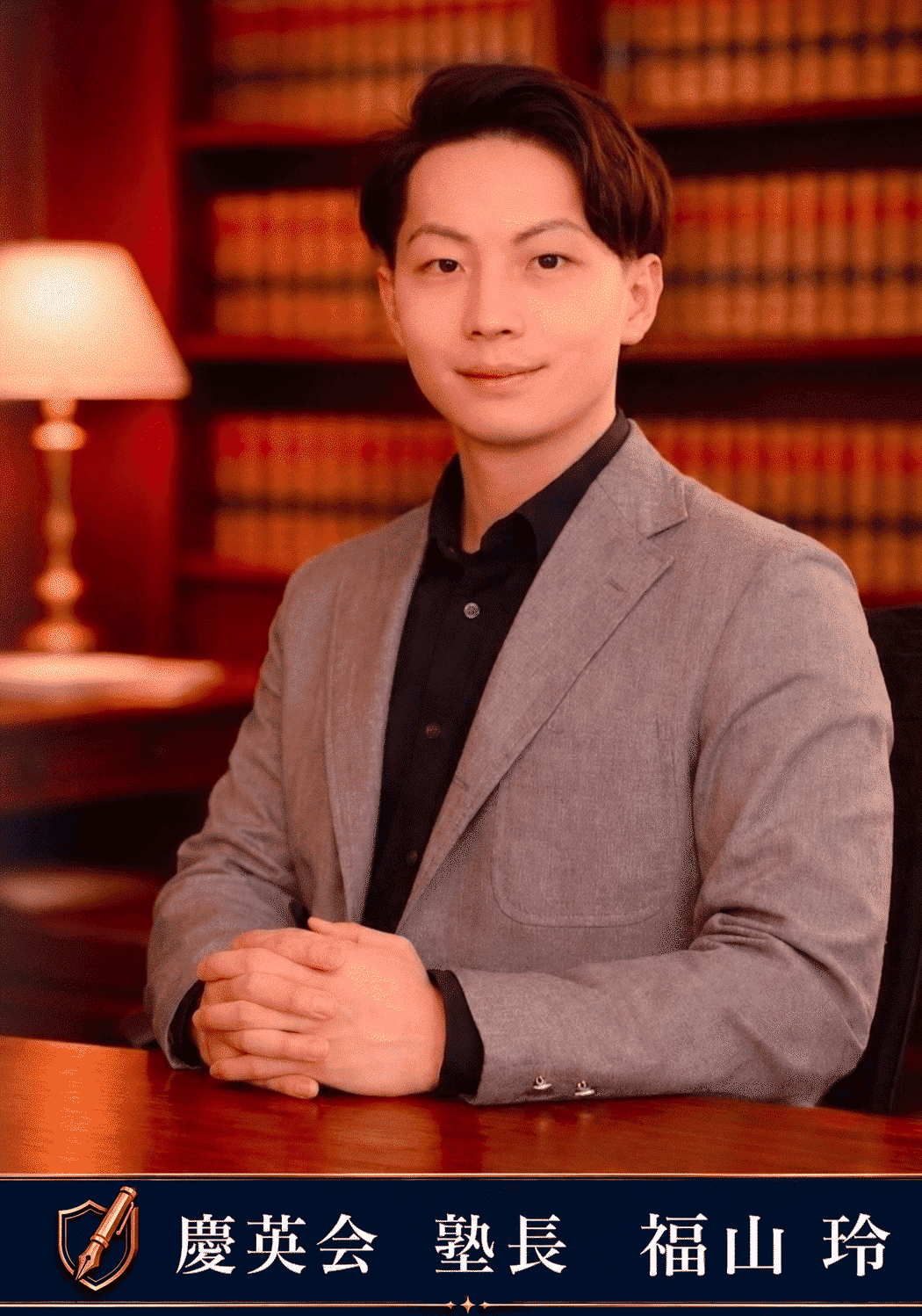

慶英会 塾長|慶應義塾大学卒・英検1級
中高一貫校の学校英語・NEW TREASURE・英検対策を専門とするオンライン個別指導塾です。塾長紹介
静岡雙葉中学校の英語学習では、洋書に触れるだけでなく、プレゼンテーション・ディスカッション・英作文など、自分の考えを英語で表す活動が紹介されています。読書の内容は理解できても「感想を英文でまとめる」「登場人物が変わった理由を説明する」「自分の評価を根拠とともに書く」となると、あらすじの写し書きだけになりがちです。慶英会は中1・中2向けに、独自の短編物語4本と計36問・全解答、60〜90語程度のReading Journal模範例を公開しました。
結論は「あらすじ2文→最も重要な場面1文→感想と理由2文→学んだこと1文」の順にまとめることです。すべての単語を訳さずに読み終える多読と、なぜその判断をしたのかを本文で確かめる精読を行き来すると、無理に難しい語彙を使わなくても内容のある感想文になります。掲載する4作品は慶英会のオリジナルで、静岡雙葉の指定洋書、学校の宿題・成績基準を示すものではありません。
静岡雙葉中学校の英語教育と本教材の位置付け
学校公式「教科一覧」では英語の欄に洋書、英検、プレゼンテーション・ディスカッション・英作文、全学年の少人数英会話などを掲げ、中学卒業時の英検準2級取得を目標として案内しています。また確かな学力を育むには習熟度に応じた英語の授業について記載があります。一方、英語で読書感想文を毎月80語提出する、当塾の記事の文章が試験に出る、洋書を何冊読むという個別の義務は確認できません。
本記事は学校が重視する英語の読書・発表・表現活動に役立てるための慶英会による自主教材です。学校に正式なブックレポートやReadingsの指示がある場合は、題材・語数・引用の扱い・評価基準ともに学校の指定を優先します。
Reading Journalをつくる6文の基本形
| 文 | 何を書くか | 表現の例 |
| 1 | 主人公・場所・主題 | This story is about a student who … |
| 2 | 最初の問題 | At first, she / he has a problem because … |
| 3 | 重要な行動や変化 | Then, the character decides to … |
| 4 | 好きな場面と本文根拠 | My favorite part was … because … |
| 5 | 自分の考え | I think this choice was important because … |
| 6 | 学び・推薦先 | I learned … / I recommend this story to … |
60〜90語は本記事の練習用の長さです。実際の英検準2級の英作文語数と同一ではありません。学校の学年や課題により、まず30語の簡単な要約から始めても構いません。語数を増やす際には作品から直接得られない設定を付け足したり、登場人物の気持ちを証拠なしに断定したりしないようにします。
多読・精読・英文感想の違い
- 多読:知らない単語が少しあっても、登場人物・問題・結末の流れをつかんで最後まで読む。
- 精読:設問の根拠となる一文へ戻り、who / when / why / however / becauseを確認する。
- 要約:物語の主な変化を、あらすじにない出来事を創作せずに1〜2文で説明する。
- 感想:好き・嫌いを述べるだけで終えず、場面や判断を本文から示して理由を述べる。
- 振り返り:自分の経験と結び付けても、作品中の事実と自分の意見を分けて書く。
よくある失点|あらすじを長く書き過ぎる
英語の読書感想文は内容を要約する部分だけでは完結しません。たとえば『Hana went to the library. She sat on the floor. A bench was added.』は出来事の列挙ですが、『I liked the story because Hana’s action helped someone, while the new bench made the library better for everyone.』なら、読者自身の解釈と本文にある根拠を結び付けています。
一方、『Hana bought the bench with her money.』は本文にない情報で、あらすじとして不正確です。読書後の意見は自由ですが、事実の要約には本文で確認できる根拠が必要です。『I think…』と『The story says…』を切り分けて書くことで、読解と英作文の両方を改善できます。
慶英会オリジナル英文4編・36問
4作品それぞれ9問、合計36問です。問1〜6は内容と根拠、問7は1文要約、問8は理由付きの感想、問9はReading Journalです。各題材は約150語前後の創作英文で、学校配布の洋書や著作権のある物語から転載したものではありません。最初は答えを隠し、自力で読んでから解答へ進んでください。
Story A|The Library Bench(図書室のベンチ)
Every Wednesday, Hana visited a small library near the station. She loved reading there because the room was quiet, but there were only four chairs. One rainy afternoon, an older man came in carrying several books. All the chairs were taken. Hana wanted to keep reading, yet she noticed that he looked tired. She offered him her chair and sat on the floor for a few minutes. The librarian saw what happened and thanked Hana. On the following week, the librarian showed the visitors a new wooden bench near the window. The bench had been made by volunteers using unused pieces of wood. Hana was pleased, but she also learned that one kind action was not the end of a problem. The library needed enough space for everyone, not just people who arrived early.
- 問1:主人公は誰か。
- 問2:物語の最初の問題は何か。
- 問3:Hanaは疲れた人を見て何をしたか。
- 問4:新しいベンチはどのように作られたか。
- 問5:Hanaが学んだ、親切以外の大切なことは何か。
- 問6:『Hanaは自分が役立ったのでもう問題は解決したと思った』は本文と一致するか。
- 問7:英語1文で要約する。
- 問8:感想を理由付き1文で書く。
- 問9:Reading journalを60〜90語程度で書く。
Story B|The Missing Weather Notebook(消えた天気ノート)
Riku was responsible for recording the weather during a school science project. He wrote the temperature and cloud conditions every morning. On the day of the presentation, he could not find the notebook. He worried that his classmates would be angry with him, so he first tried to remember all the numbers. His friend Aya stopped him. She said that guessing the figures would make the report unreliable. Together, they searched the classroom and asked the teachers for help. They finally found the notebook beside a box of posters. The group presented the real measurements and explained why they had almost lost their data. Their teacher praised their honesty, not their perfect organization. Riku began keeping a second copy of important notes. He realized that a useful mistake can lead to a better plan if people explain it rather than hide it.
- 問10:誰が天気を記録していたか。
- 問11:発表当日の問題は何か。
- 問12:Ayaはなぜ数字を思い出しで埋めることに反対したか。
- 問13:ノートはどこで見つかったか。
- 問14:先生が褒めたのは何か。
- 問15:『先生はRikuの完璧な準備を評価した』は合うか。
- 問16:英語1文で要約する。
- 問17:感想を理由付き1文で述べる。
- 問18:Reading journalを60〜90語程度で書く。
Story C|The Quiet Musician(静かな音楽家)
Mio played the violin well when she was alone, but she became nervous in front of an audience. Her school music group planned a small concert for younger children. Mio volunteered to make the concert posters because she was afraid to perform. One day, she watched a younger child trying to play a simple song on a borrowed violin. The child made several mistakes but kept smiling. ‘Can I hear you play?’ the child asked. Mio hesitated and then played a short melody. The child listened carefully and said, ‘It sounds like the beginning of an adventure.’ At the concert, Mio still felt nervous. She did not suddenly become fearless, but she played the opening melody for the audience. Afterward, she realized that courage does not mean having no fear. It means doing something important even when fear remains.
- 問19:Mioの得意なことは何か。
- 問20:最初に演奏を避けた理由は何か。
- 問21:Mioに演奏を頼んだのは誰か。
- 問22:子どもはMioの曲を何にたとえたか。
- 問23:コンサートでMioは緊張しなくなったか。
- 問24:この物語でのcourageの定義は何か。
- 問25:英語1文で要約する。
- 問26:自分の感想を理由付き1文で答える。
- 問27:Reading journalを60〜90語程度で書く。
Story D|The Rooftop Garden(屋上の小さな菜園)
A school environmental club wanted to grow vegetables on a sunny rooftop. The students collected rainwater in a covered tank and used it for their plants. At first, the garden looked successful. Then several leaves turned yellow. Some students suggested adding more water immediately. Emi asked the group to check the soil before making a decision. The soil was already wet, so they reduced the watering and recorded changes for a week. Some leaves recovered, while others remained yellow. Emi told her friends that one observation did not prove the cause of the problem. The club learned to test ideas carefully and to avoid claiming more than the evidence supported. They also began recording sunlight and temperature. The garden was small, but it became a place where students learned how to ask better questions about the natural world.
- 問28:クラブが作ろうとしたものは何か。
- 問29:初めに生じた問題は何か。
- 問30:Emiが水を増やす前にしたことは何か。
- 問31:土は乾いていたか。
- 問32:水やりを減らした後、すべての葉が回復したか。
- 問33:Emiは因果関係について何を注意したか。
- 問34:英語1文で要約する。
- 問35:感想と根拠を英語1文で述べる。
- 問36:Reading journalを60〜90語程度で書く。
全36問の解答と本文根拠
Story A|The Library Bench(図書室のベンチ)
- 問1 模範解答:Hana. 確認点:最初の文と行動の主語。
- 問2 模範解答:There were only four chairs in the library. 確認点:座れる場所が少なかった。
- 問3 模範解答:She offered him her chair. 確認点:自分の椅子を譲った。
- 問4 模範解答:Volunteers made it from unused wood. 確認点:寄付や既存の素材でなく、未使用木片を再利用。
- 問5 模範解答:The library needed enough space for everyone. 確認点:個人の行動だけでなく環境の改善も必要。
- 問6 模範解答:No. 確認点:not the end of a problemが反証。
- 問7 模範解答:Hana helped a tired visitor at a crowded library, and the library later added a bench for everyone. 確認点:問題→行動→結果をつなぐ。
- 問8 模範解答:I liked this story because it shows that kindness and practical changes can work together. 確認点:好き嫌いの判断と根拠がある。
- 問9 模範解答:This story is about Hana, who visits a library with too few chairs. One afternoon, she gives her seat to a tired visitor. Later, volunteers make a bench from unused wood. I liked Hana’s kindness, but the most important idea is that a public place should welcome everyone. The story helped me understand that small actions matter and that we should also improve the systems around us. I would recommend it to students who enjoy realistic stories. 確認点:あらすじ・具体的根拠・感想・推奨相手を含む。
Story B|The Missing Weather Notebook(消えた天気ノート)
- 問10 模範解答:Riku. 確認点:最初の文。
- 問11 模範解答:He could not find the weather notebook. 確認点:記録データのノートが行方不明。
- 問12 模範解答:Guessing would make the report unreliable. 確認点:不正確なデータになるため。
- 問13 模範解答:Beside a box of posters. 確認点:ポスターの箱の横。
- 問14 模範解答:The group’s honesty. 確認点:整理の完璧さではなく正直さ。
- 問15 模範解答:No. 確認点:not their perfect organizationと対比。
- 問16 模範解答:Riku nearly lost his weather data, but his group found the real notes and learned to report honestly. 確認点:問題と教訓を短くまとめる。
- 問17 模範解答:I respect Aya because she chose honest reporting instead of guessing data. 確認点:Ayaの具体行動を根拠にする。
- 問18 模範解答:Riku loses a weather notebook just before a science presentation. He wants to guess the missing numbers, but Aya explains why that would be unreliable. The team finds the notebook and reports the real measurements. I liked the story because it values honesty more than appearing perfect. The most memorable moment was Aya stopping Riku from inventing data. It reminded me to keep backup notes and to explain mistakes clearly. I recommend this story to students who work on group projects. 確認点:登場人物・問題・判断・自分の学びを含む。
Story C|The Quiet Musician(静かな音楽家)
- 問19 模範解答:Playing the violin. 確認点:一人のときは上手に弾けた。
- 問20 模範解答:She was nervous about performing in front of others. 確認点:人前で緊張するため。
- 問21 模範解答:A younger child. 確認点:借りたバイオリンを練習していた子。
- 問22 模範解答:The beginning of an adventure. 確認点:冒険の始まり。
- 問23 模範解答:No, she still felt nervous. 確認点:still felt nervousが本文にある。
- 問24 模範解答:Doing something important even when fear remains. 確認点:恐怖が残る状態で重要な行動をすること。
- 問25 模範解答:Mio is afraid of performing, but a child’s response helps her play for an audience despite her fear. 確認点:変化を明示する。
- 問26 模範解答:I found Mio inspiring because she acted bravely without pretending to be fearless. 確認点:勇気の定義を根拠として述べる。
- 問27 模範解答:Mio is a violinist who feels nervous about playing in public. She plans to make posters instead of performing, but a younger child’s kind reaction helps her try a short melody. At the concert, she remains nervous and plays anyway. I liked this realistic ending because courage is not the same as having no fear. My favorite part was the child’s description of the music as an adventure. This story encourages me to try difficult things without waiting to feel completely confident. 確認点:気持ちの変化を追い、読者自身の経験と結ぶ。
Story D|The Rooftop Garden(屋上の小さな菜園)
- 問28 模範解答:A rooftop vegetable garden. 確認点:屋上菜園。
- 問29 模範解答:Several leaves turned yellow. 確認点:葉が黄変した。
- 問30 模範解答:She checked the soil. 確認点:水を追加する前に土の状態を確認。
- 問31 模範解答:No, it was already wet. 確認点:already wetが明示。
- 問32 模範解答:No, some remained yellow. 確認点:some … while others …の対比。
- 問33 模範解答:One observation did not prove the cause. 確認点:1回の観測で原因を断定しない。
- 問34 模範解答:An environmental club studied yellow leaves in a rooftop garden and learned to test ideas instead of making quick assumptions. 確認点:活動と学びを含める。
- 問35 模範解答:I agree with Emi because checking evidence before acting can prevent new mistakes. 確認点:観測から行動を考える姿勢を評価。
- 問36 模範解答:A school club creates a rooftop garden and notices that some leaves turn yellow. Instead of adding water at once, Emi checks the soil. The group reduces watering and records the results, but not every leaf recovers. I liked the story because it shows that one observation cannot prove a cause. The most useful lesson for me is to investigate before deciding. I would recommend it to readers interested in science, gardening or careful problem-solving. 確認点:単なる植物の話でなく証拠の読み方を述べる。
語数を増やし過ぎず自然に英文を深める6つの方法
- 主人公の性格を形容詞だけで断定せず、実際の行動を根拠にする(kind because she …)。
- 物語の時間軸に合わせ、あらすじには基本的に過去形を使う。
- 自分の評価はI liked / I was surprised / I learnedなどで現在の判断と区別する。
- however / but / althoughは単なる飾りでなく、対立する出来事や気持ちがある時だけ使う。
- 本文の言葉を数文そのまま並べず、自分で主語と動詞を作り直す。
- 最後は一人の読者を想定して『誰に薦めるか』を具体的に書く。
英作文の自己採点|学校評価とは別の独自6項目
| 観点 | 確認すること | よくある修正 |
| 内容の正確さ | 作品にない出来事を創作していないか | 根拠となる一文を探す |
| あらすじの簡潔さ | 人物・問題・変化に絞れているか | 細かな場面を削る |
| 意見と理由 | I liked … because …の中身があるか | 理由を本文の具体例に結ぶ |
| 語順・時制 | 過去の出来事に過去形を使えているか | 三単現・過去形を見直す |
| つながり | but / so / becauseの関係が自然か | 接続詞を1つずつ検算 |
| 独自の振り返り | 学んだことが一文で述べられるか | 内容を写さず自分の意見へ |
本記事の採点観点は慶英会の家庭学習用チェックリストです。静岡雙葉校内の成績評価方式や英検準2級の公式採点項目・合格基準ではありません。学校の授業で指定された形式に合わせて修正してください。
14日間の学習スケジュール
- 1日目:Story Aを最後まで読む。分からない単語より、問題と結末を先に書く。
- 2日目:Story A問1〜8を解く。根拠英文に線を引く。
- 3日目:Story Aの感想文を60〜90語で書き、自分の理由の箇所だけ色分け。
- 4日目:Story Bを読み、事実と人物の想像を区別。
- 5日目:Story B問10〜18を解き、過去の時制とhonestyの意味を確認。
- 6日目:Story Bをまとめてから、100語未満の感想文を白紙で作成。
- 7日目:前半2作品の問7〜9のみ再テスト。
- 8日目:Story Cを読み、主人公の気持ちの変化を説明。
- 9日目:Story C問19〜27を解き、勇気の意味を自分の言葉にする。
- 10日目:Story Dの観測と推測を切り分ける。
- 11日目:Story D問28〜36を解き、因果関係の過剰な断定を修正。
- 12日目:4作品の一文要約だけを見ないで書き直す。
- 13日目:4作品の感想から最も良い1本を選び、内容・語順・根拠を推敲する。
- 14日目:学校で実際に読んでいる洋書にも、同じ6文テンプレートを適用する。
よくある質問
静岡雙葉中学校では英語の読書感想文80語が必須ですか?
公式公開情報から、英語の洋書・英作文・発表を重視する方針は確認できます。ただし、学校全体で一律に80語の読書感想文を課す義務までは確認できません。本記事の60〜90語は慶英会の練習用設定です。
英語の本を読むとき辞書は毎回使った方がいいですか?
多読で物語の大筋が理解できる場合は、すべての知らない単語を調べずに読み進めることもできます。ただし問題の解答根拠になる語、何度も出る語、本文の中心となる語は辞書で正確に確かめてから英作文に使います。
英語の感想と要約の違いは何ですか?
要約は作品中の出来事を短く事実に基づいて述べること、感想はその出来事をどう評価したかを根拠付きで述べることです。I think / I feltの有無だけでなく、自分の判断が内容に結び付いているかが大切です。
英検準2級のWriting対策にそのまま使えますか?
物語を読み要点を捉えることや理由付きの意見を書く練習は役立ちます。しかし英検の本番形式は級別に異なり、この作品へのブックレビューがそのまま試験で出るわけではありません。公式サンプルや学校教材と併用してください。
子どもが書いた英文を保護者がすべて直すべきですか?
毎回すべてを書き直すと本人の再現力が育ちにくい場合があります。まず本人が主語・動詞・時制と『理由が本文にあるか』を確認し、次に最も重要な2〜3か所だけフィードバックし、翌日もう一度白紙で書けるか確かめる方法を勧めます。
関連する慶英会教材・無料体験
慶英会では、学校で読んでいる洋書や英語教材、返却された英作文をもとに、あらすじ・根拠・自分の意見を整理する個別指導を行います。慶應義塾大学卒・英検1級の塾長が運営するオンライン個別指導塾です。最大1か月の無料体験・学習相談はこちら。受講条件は案内をご確認ください。
参考にした主な公式情報
情報確認日:2026年10月26日。学校の教育方針は公式公開情報に基づいています。4つの物語、36問、英語感想文例、家庭学習計画は慶英会の独自作品であり、学校指定の洋書・教材・試験問題の転載ではありません。
最大1か月完全無料体験・学習相談受付中
最大1か月の完全無料体験をご案内
学校教材・学力・目標に合わせた個別指導
入塾前に授業の進め方や講師との相性をお確かめください。
学校英語・定期テスト・英検の学習相談にも対応します。
保護者様の教育相談も無料で承ります。
1.学年 2. 学習目標 3.体験ご希望をお送りください。
体験の期間・回数・担当講師・日程は、ご希望と受付状況を確認してご案内します。
慶英会 塾長|慶應義塾大学卒・英検1級。中高一貫校の学校英語・NEW TREASURE・英検対策を専門としています。塾長の経歴・指導方針を確認する